

Nuclear Museum
Instruments for measuring ionising radiation, the development and production of radiopharmaceuticals, and the processing of radioactive waste. All of this just a few kilometres from Prague, inside an authentic nuclear site that is not normally open to the public.
70
years of history
250+
exhibits
30 min
from Prague
About the museum
More than just display cases of equipment
Our museum is more than just a collection of equipment. It tells a living story of how people faced invisible threats, how they protected their health, and how progress in science and research changed the way the world works with radioactivity.
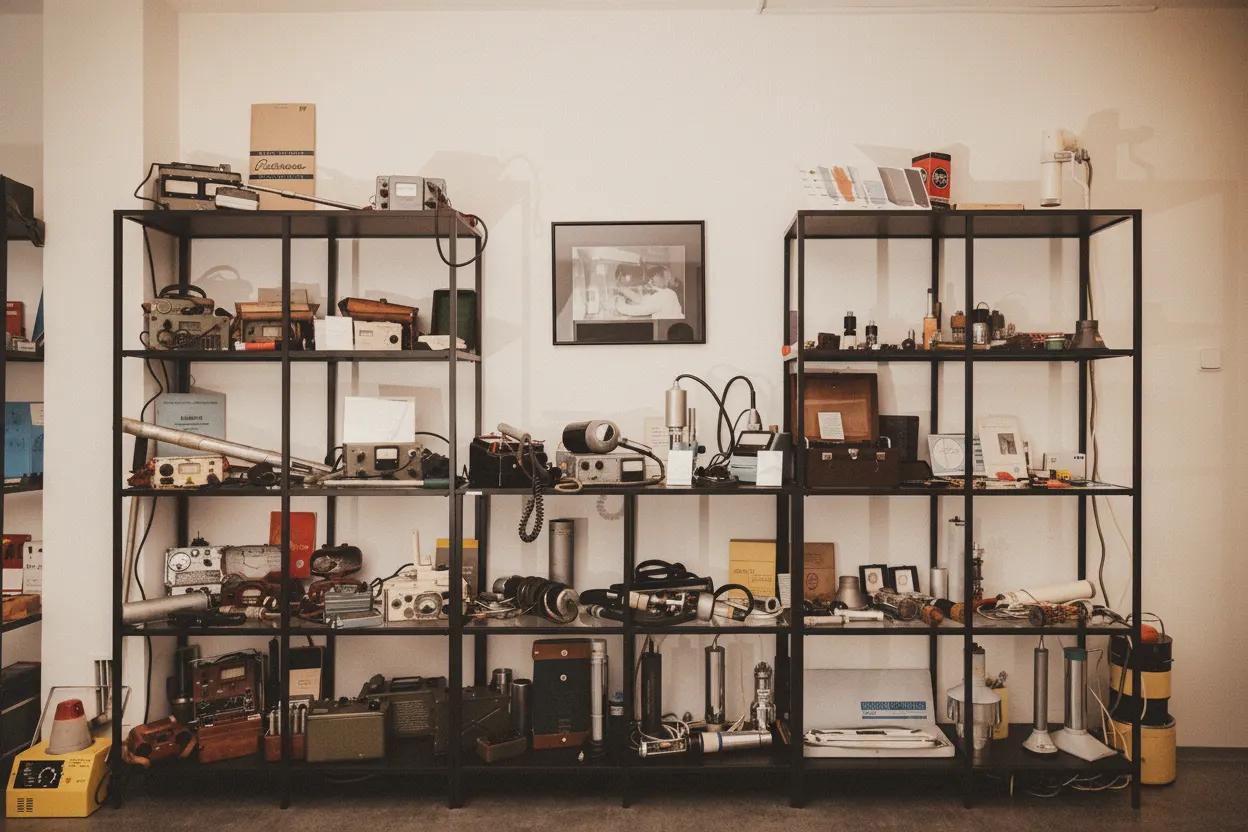
The Nuclear Museum of ÚJV Řež was created by combining historical objects used by our company in Czech nuclear research with the unique private collection of measuring instruments belonging to our colleague Martin Jor. His passion for instruments that detect ionising radiation was the driving force without which the museum would never have come into being.
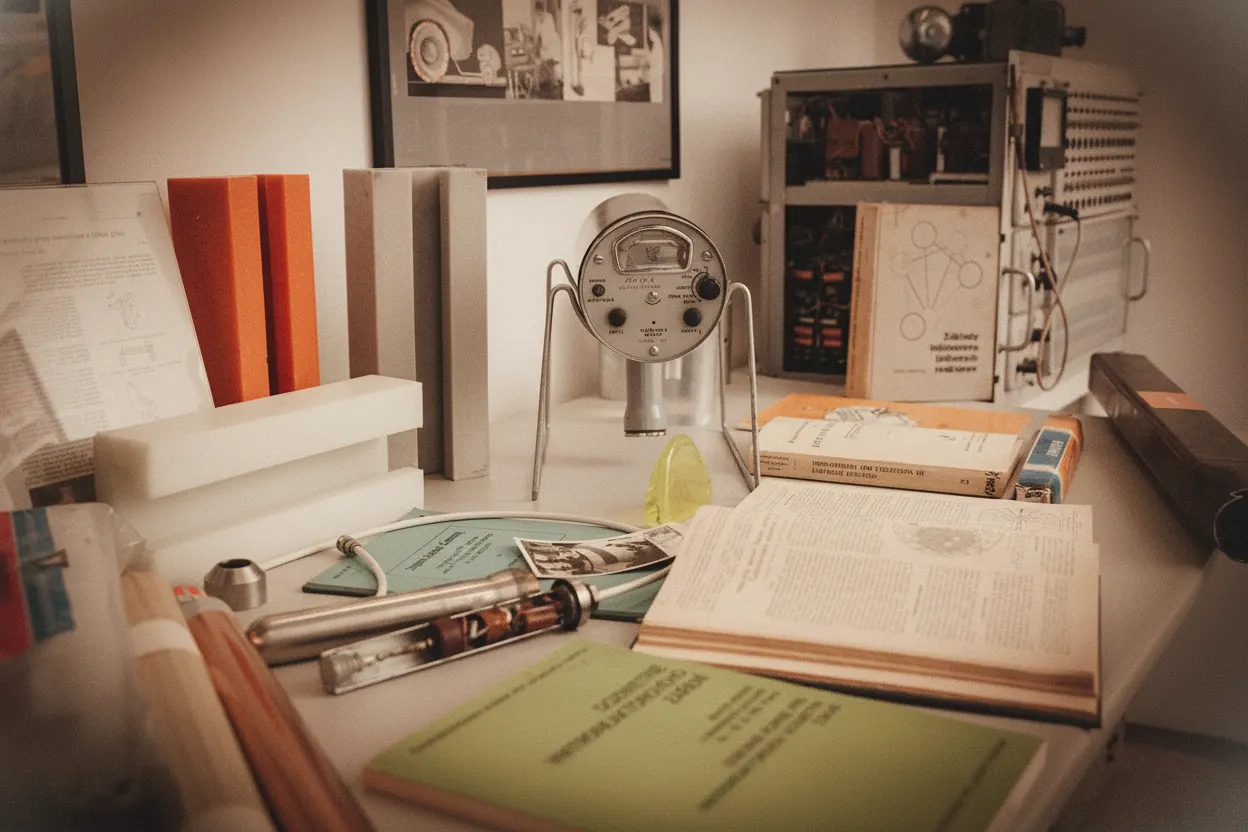
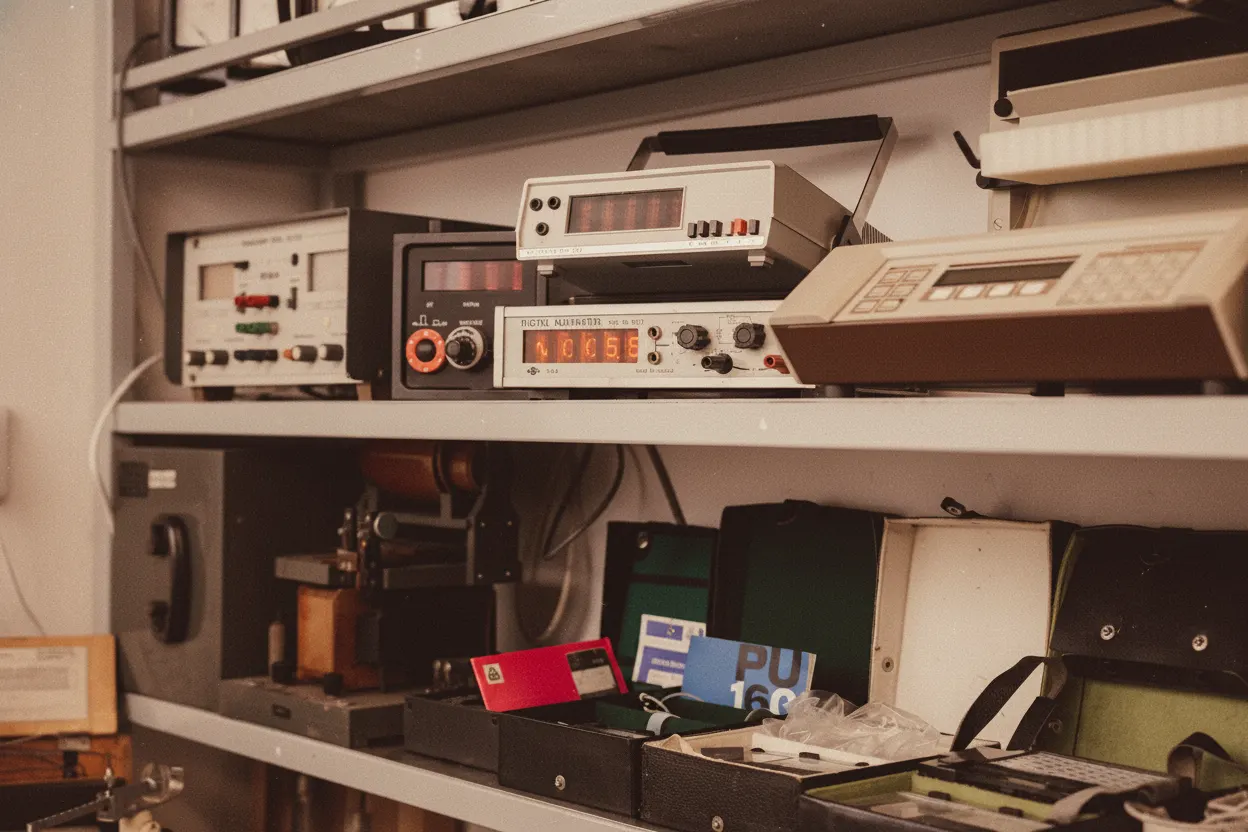
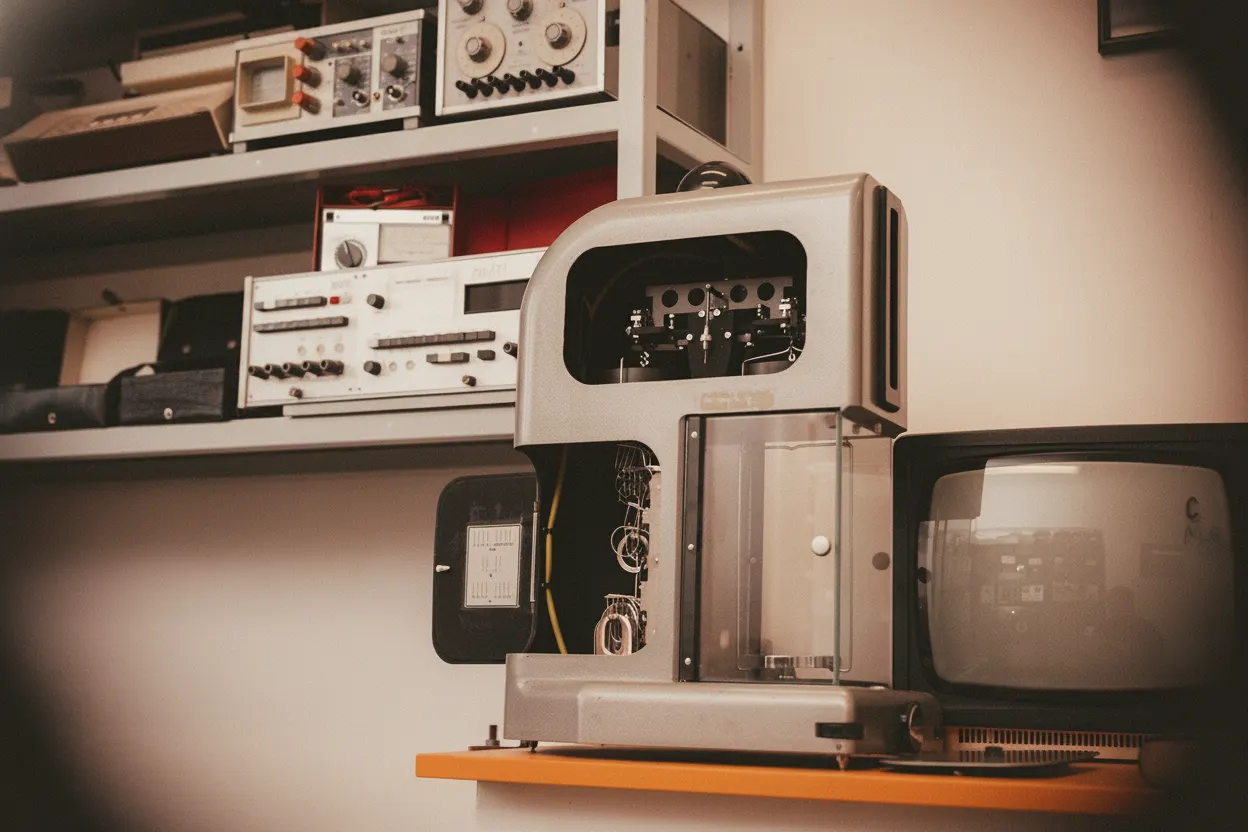
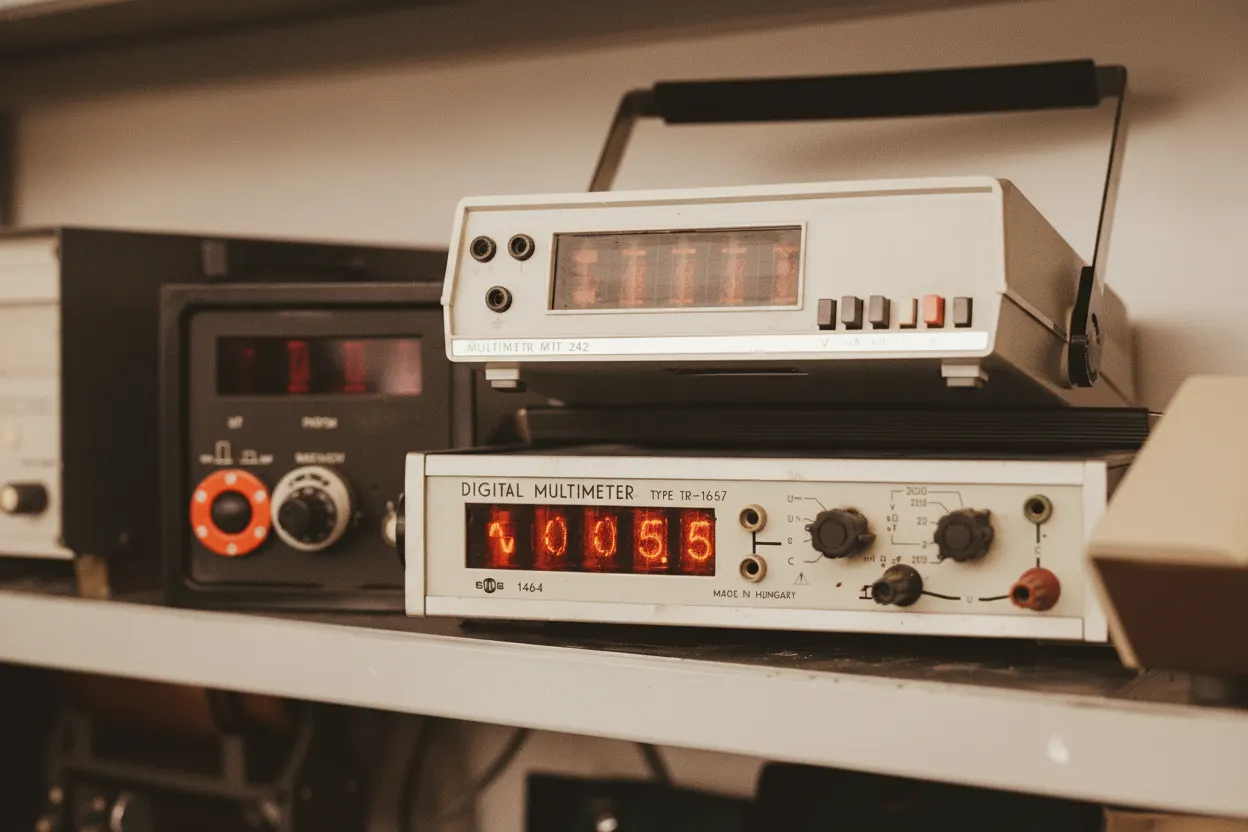
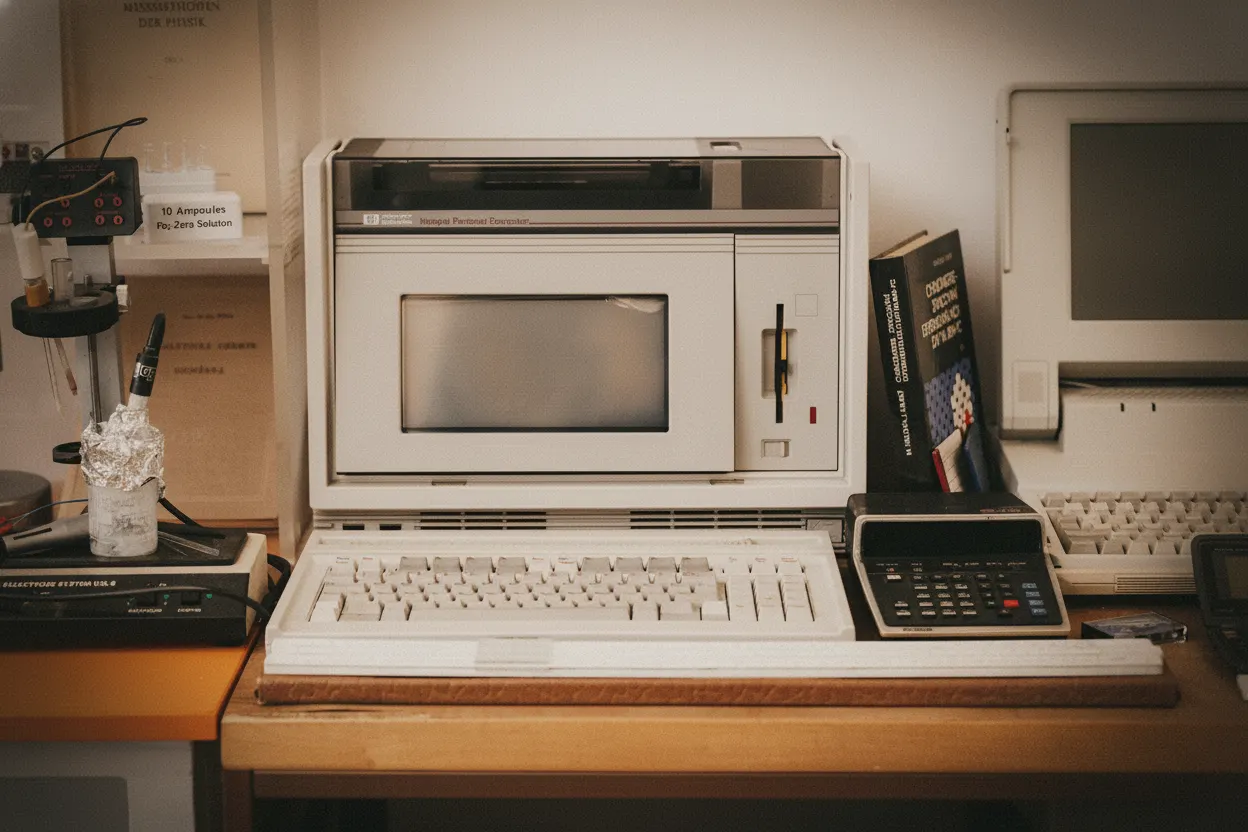
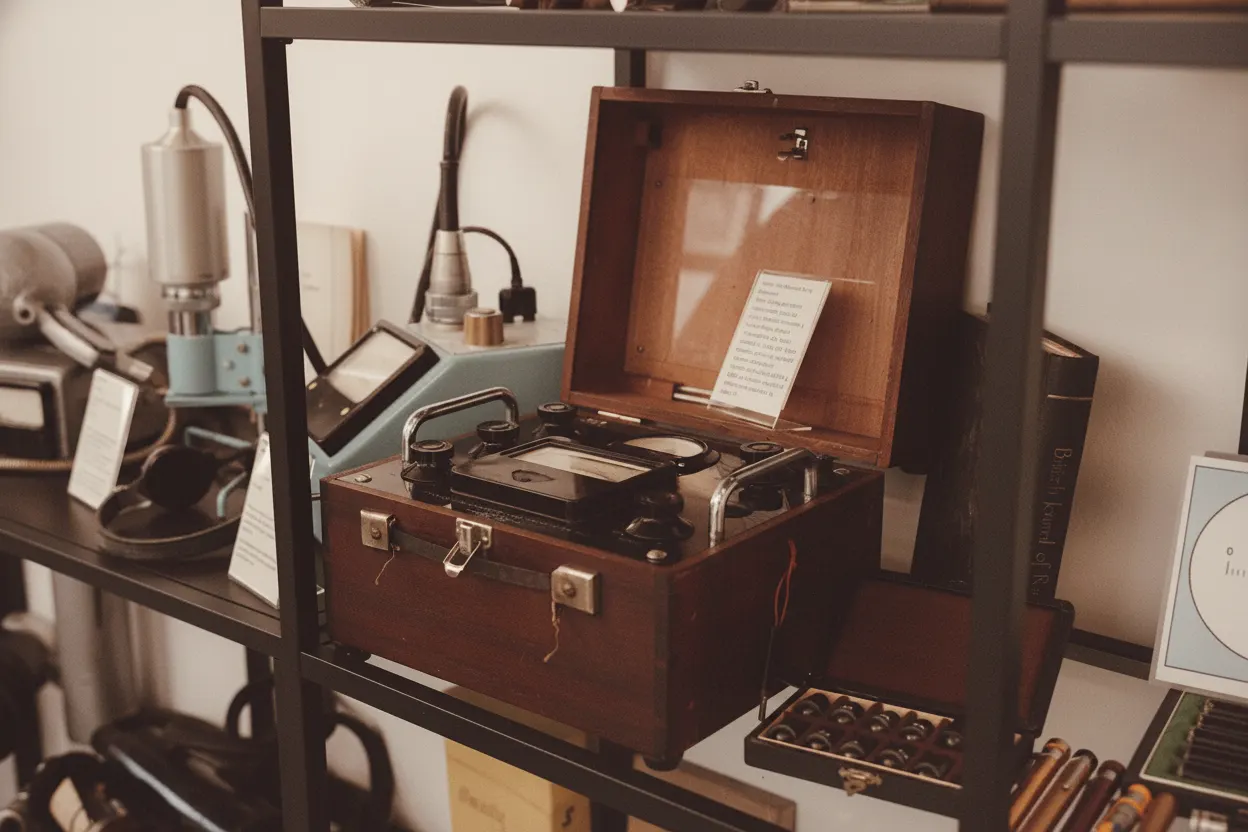
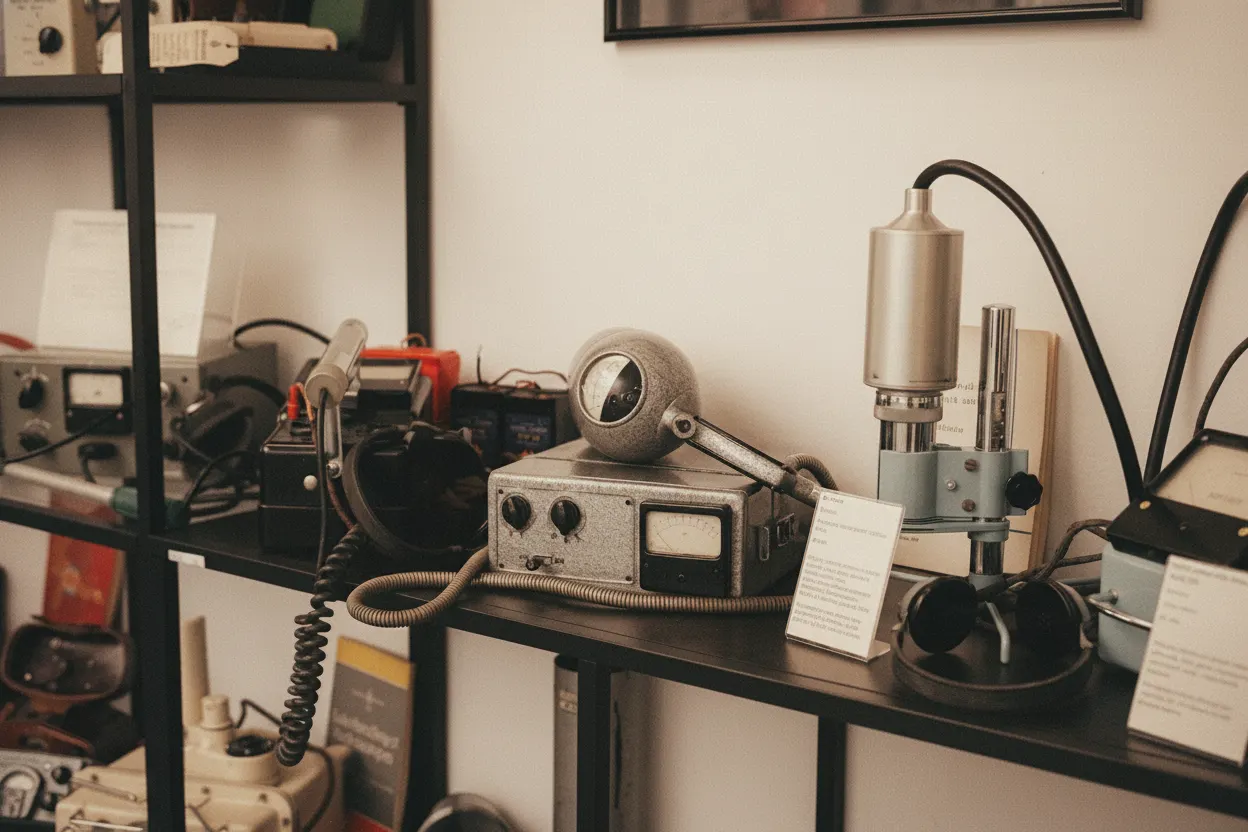
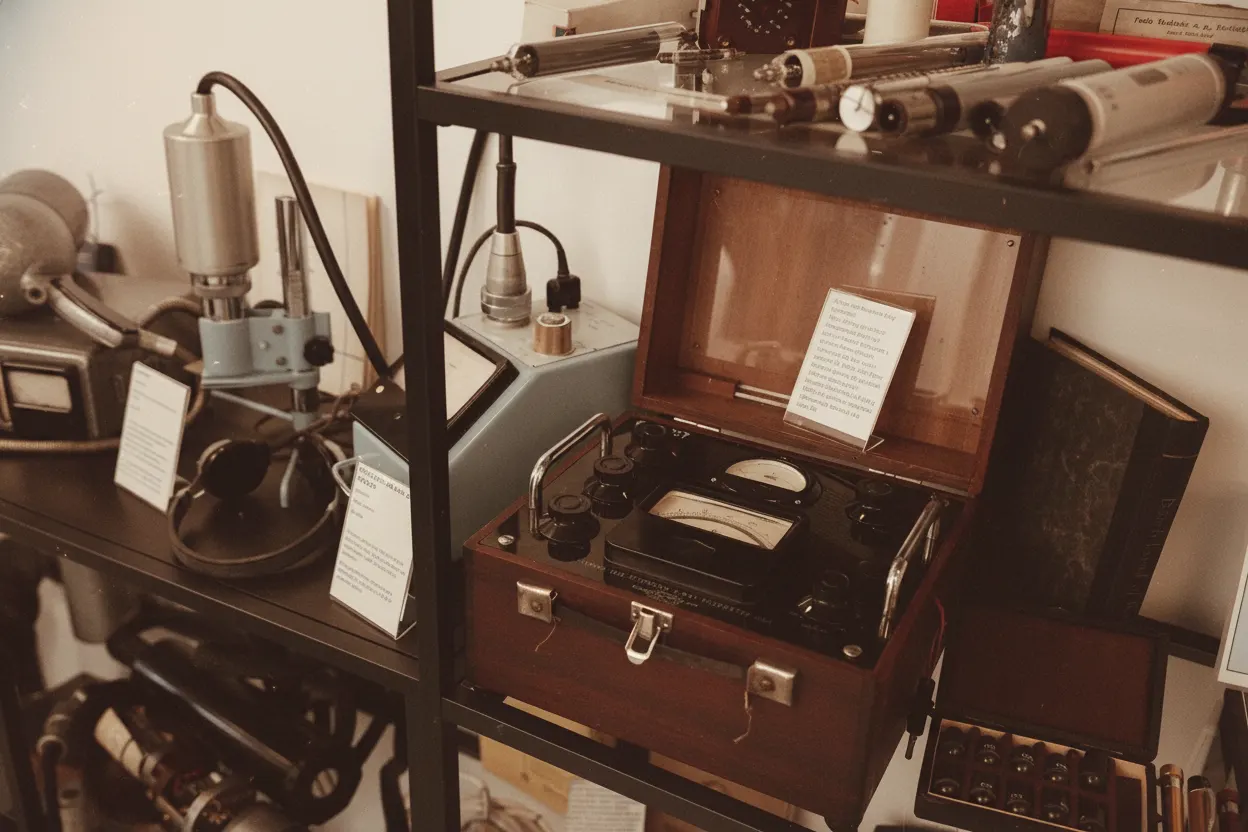
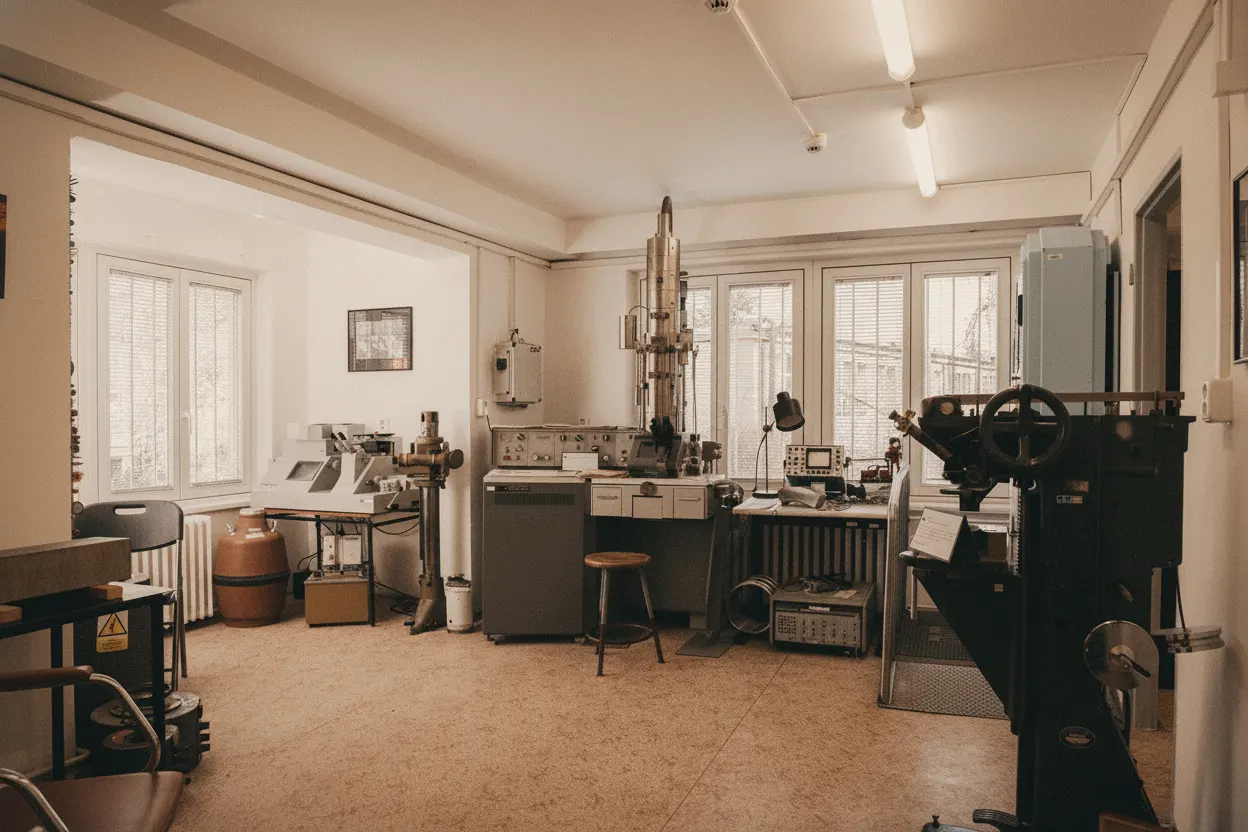
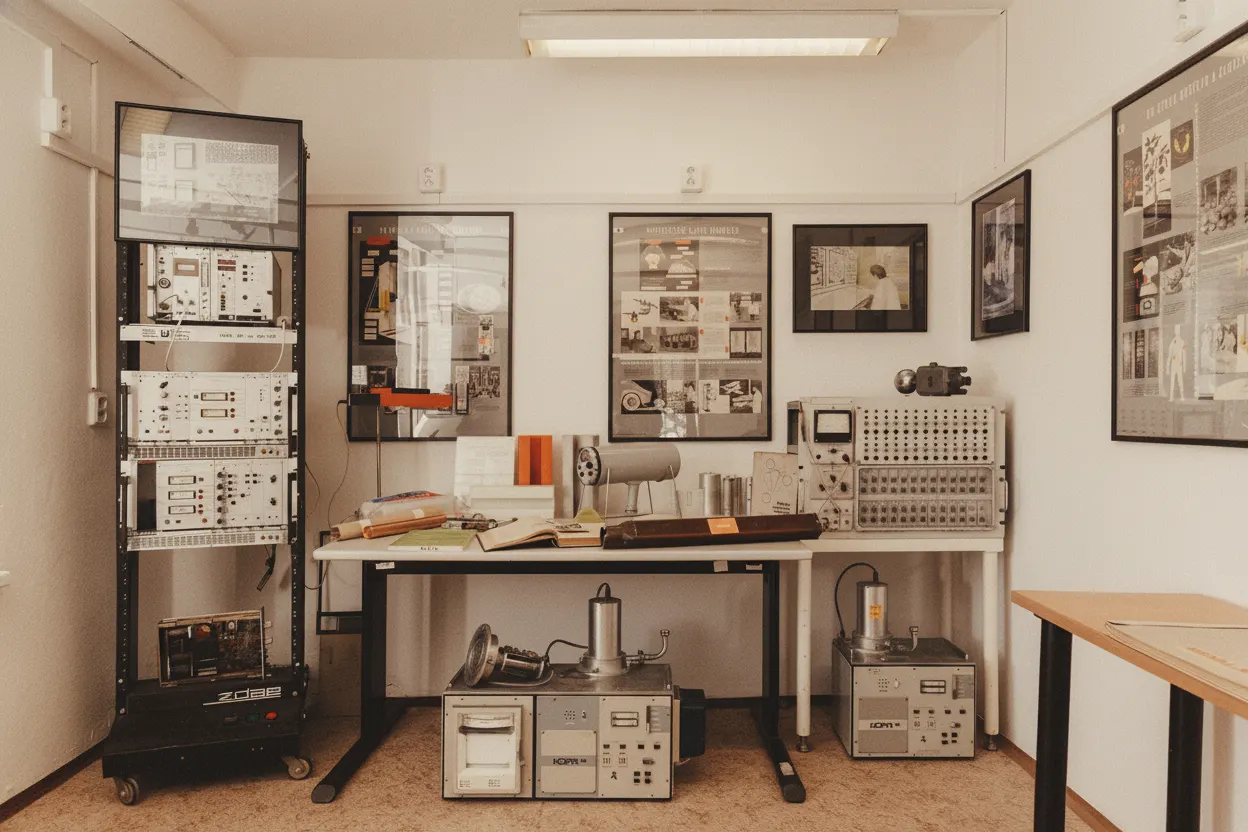
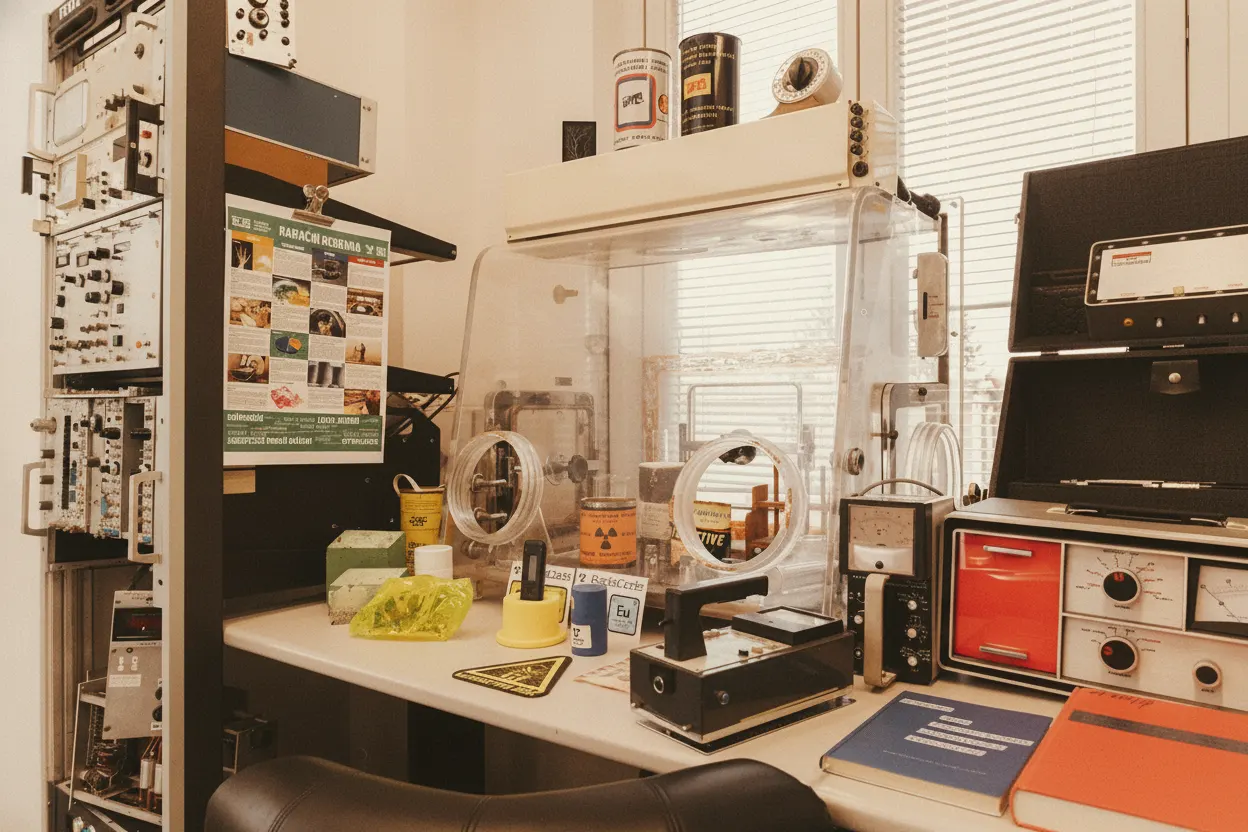
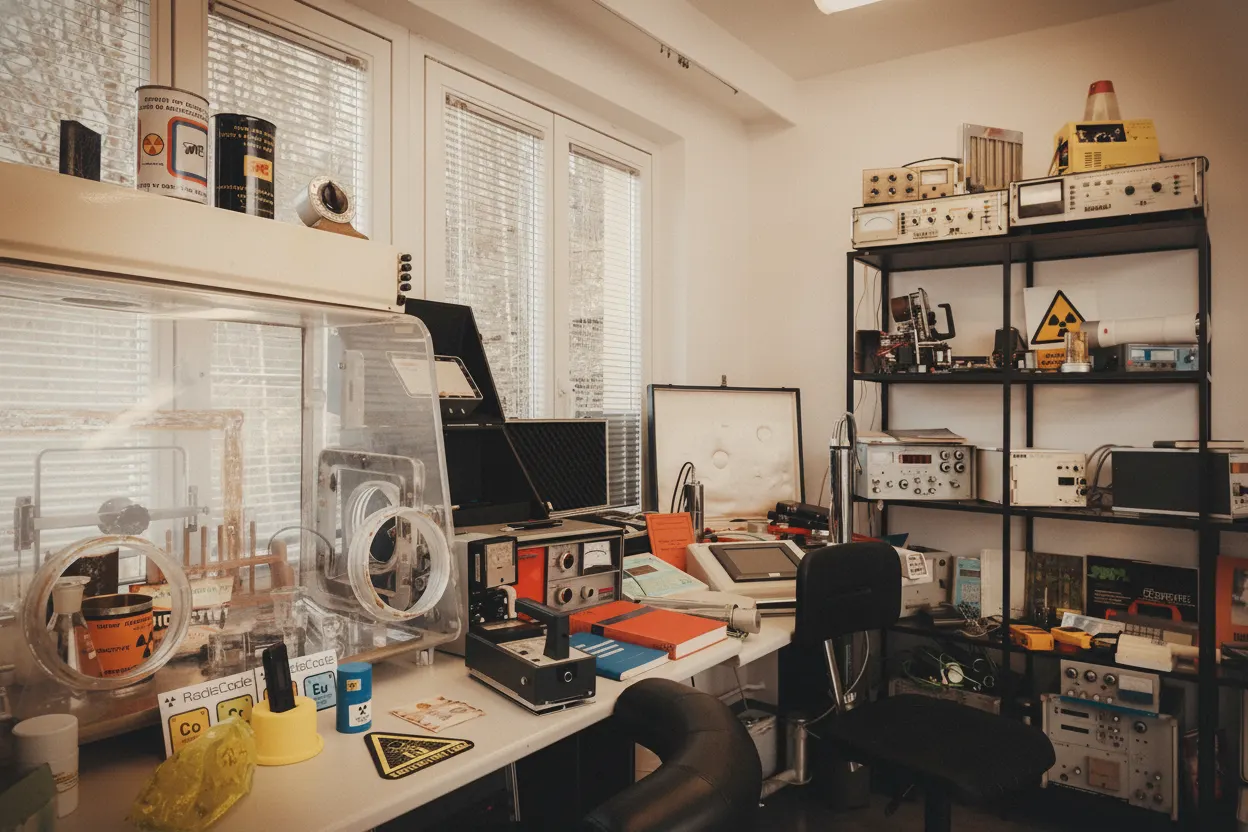
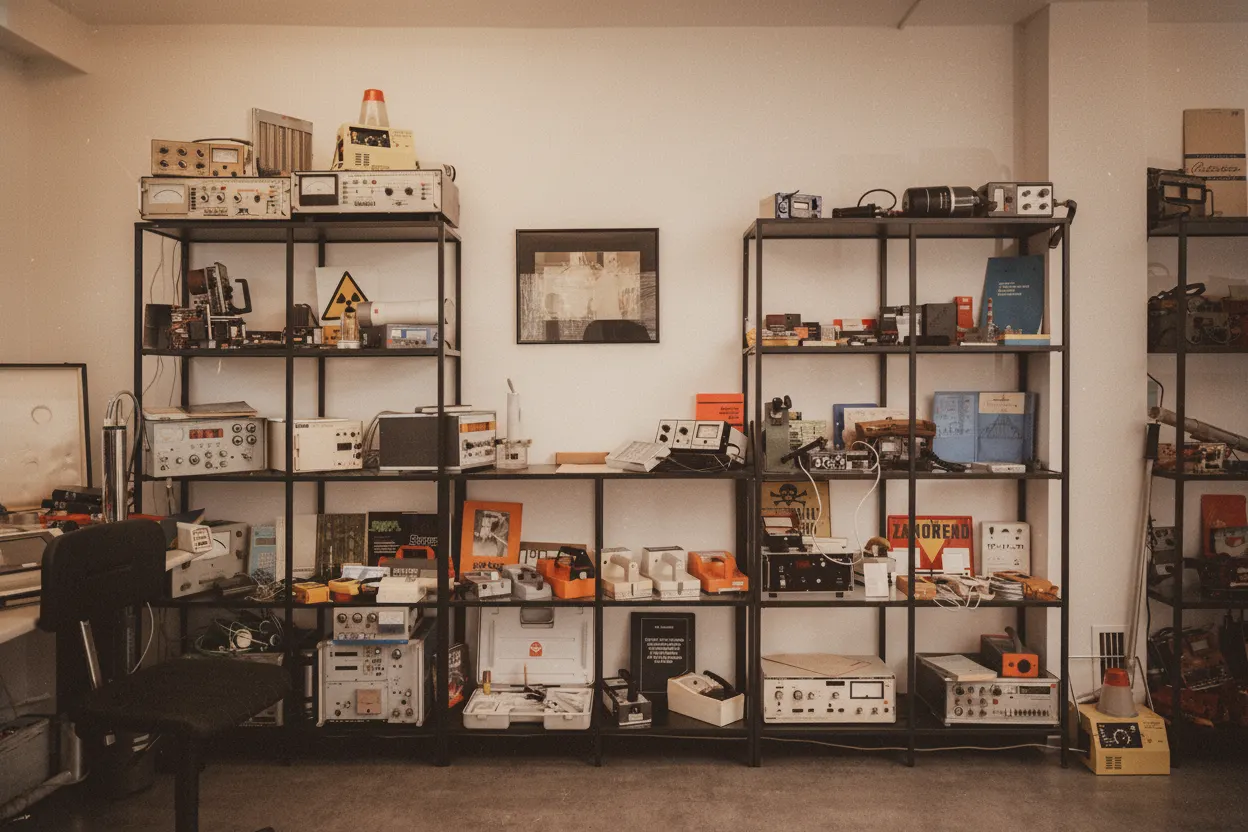
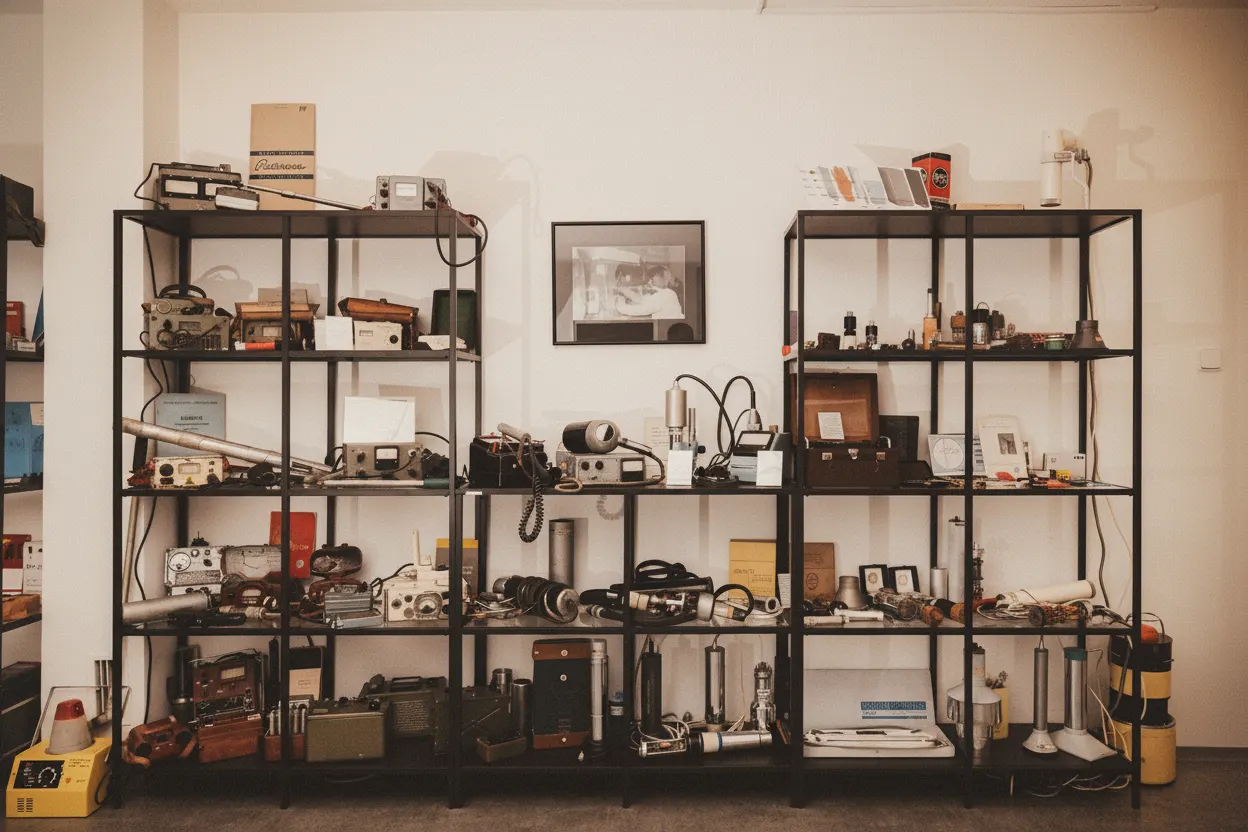
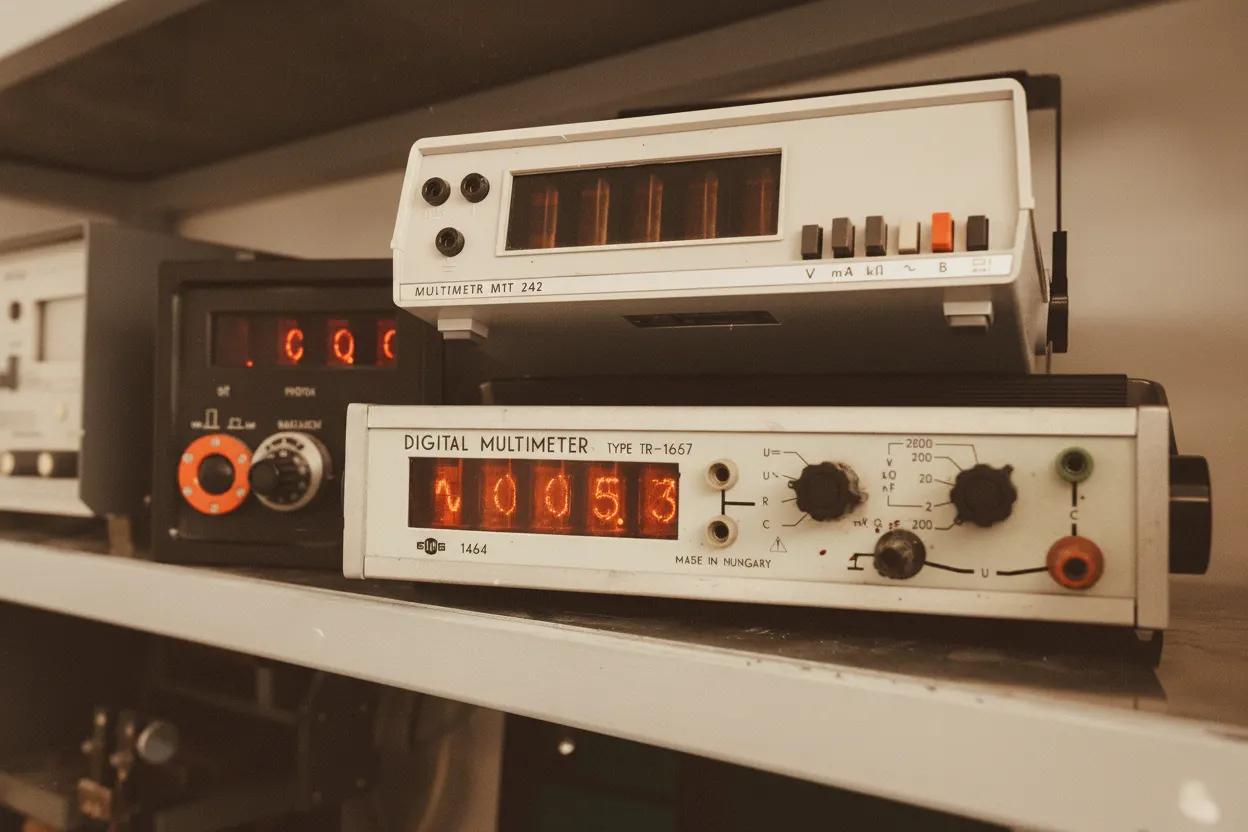
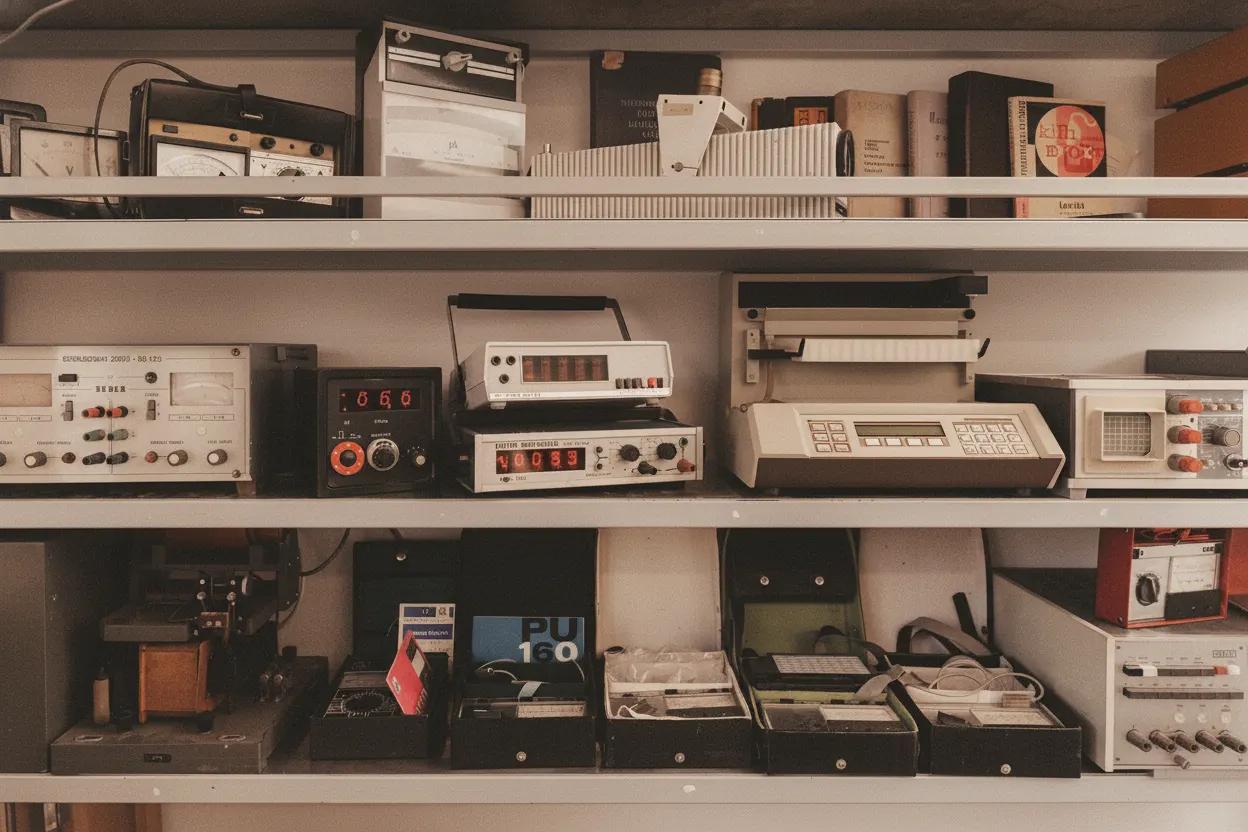
The unique exhibition offers an unusual look into the history of nuclear fields since the 1950s. Visitors can see historical instruments and equipment for materials research, equipment used in the development of radiopharmaceuticals, and an extensive, long-built collection of dosimeters. The exhibition also includes period curiosities, from radioactive tableware and toothpaste to home radon baths.
Exhibition
Three parts of the exhibition
What you will see up close during the tour.
Materials research and radiopharmaceutical production
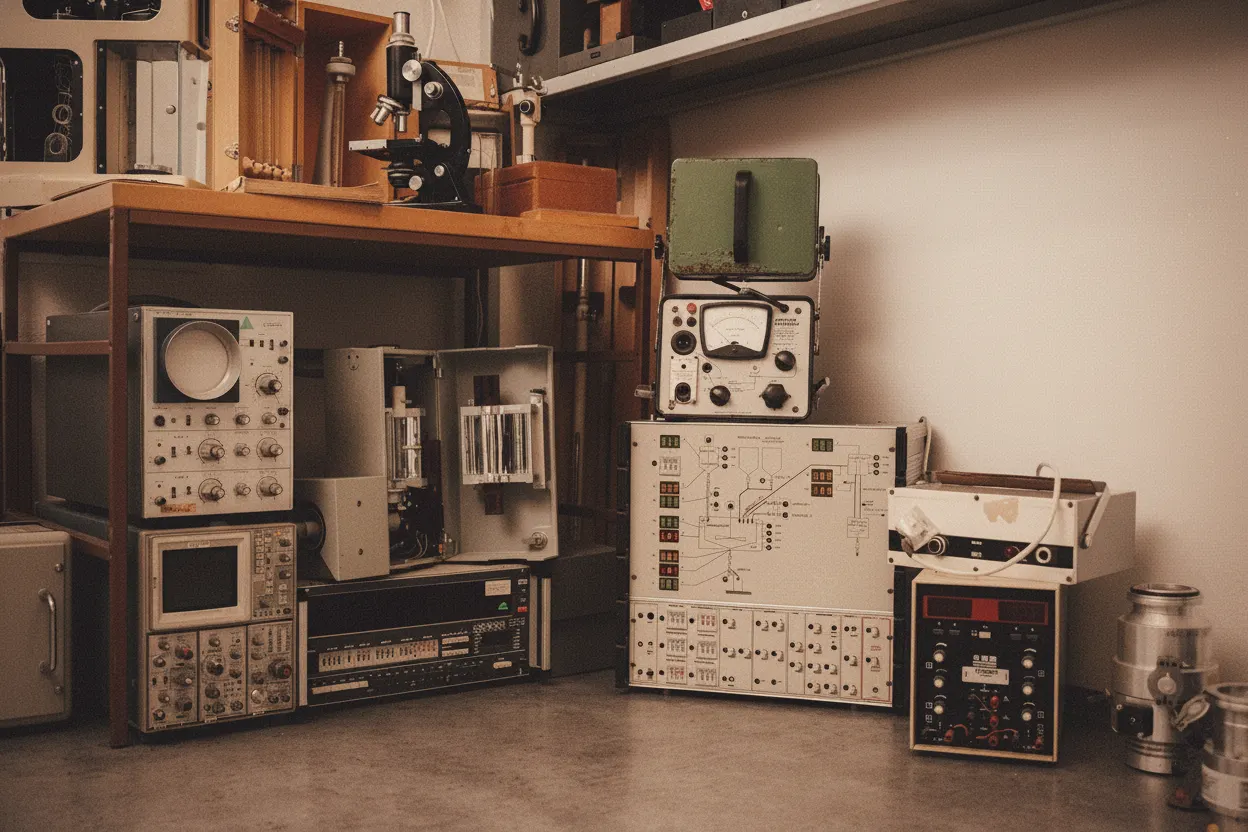
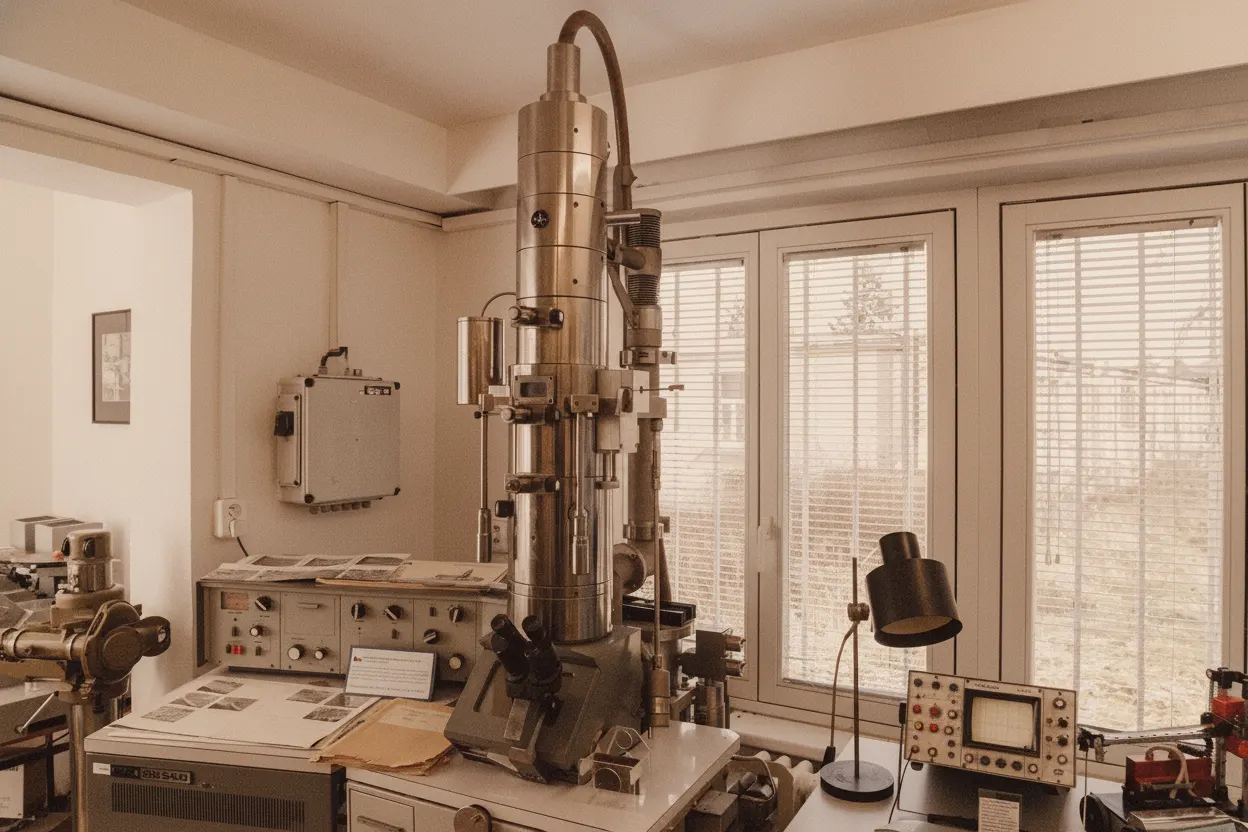
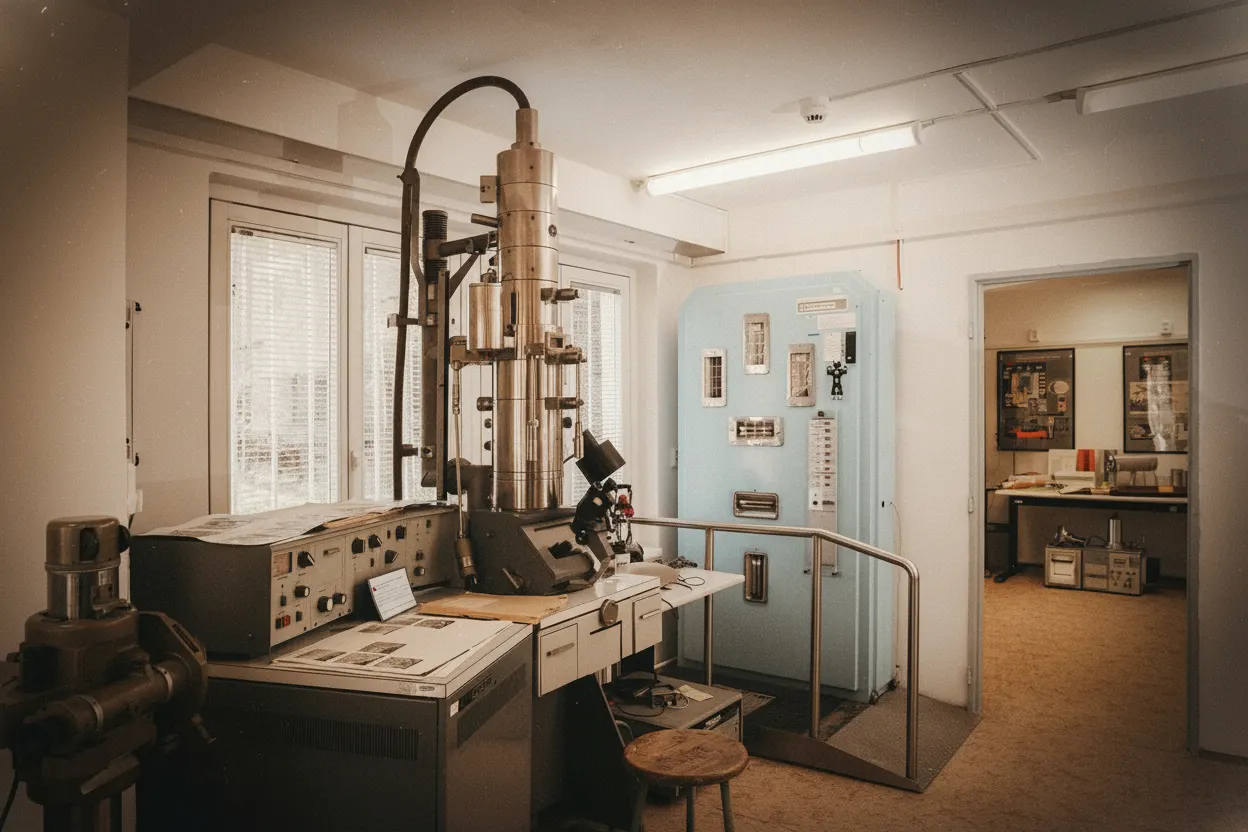
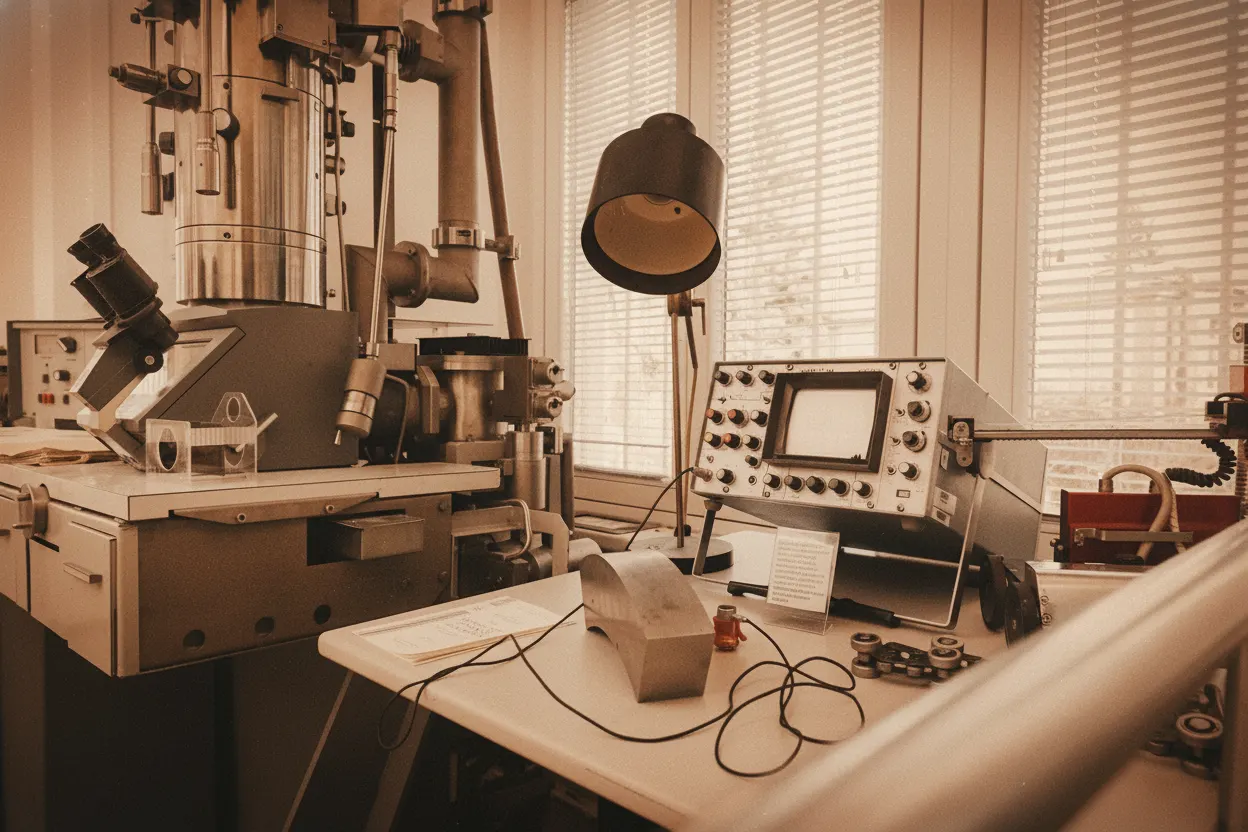
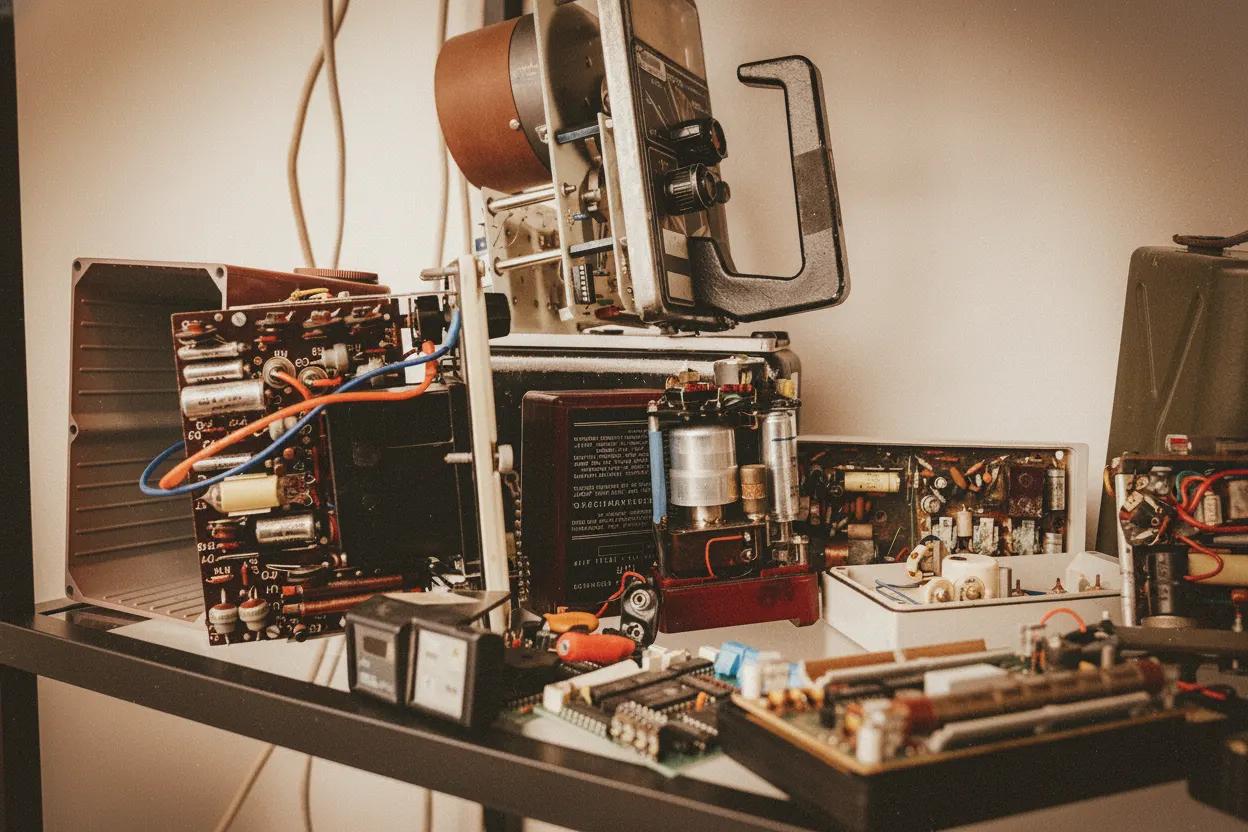
Materials research is one of ÚJV Řež's long-standing core activities. It focuses on developing, testing and evaluating materials for nuclear power, industrial applications and research into new technologies. That is why the museum collection includes optical microscopes, mechanical testing equipment, instruments for ultrasonic and X-ray inspection, examples of metallographic analysis and many other exhibits. ÚJV Řež is the largest Czech producer of radiopharmaceuticals and supplies every nuclear medicine department in the country. Producing radiopharmaceuticals is a demanding, strictly controlled process that takes place in specially designed laboratories. In the exhibition you will learn how the field of nuclear medicine developed here, how such production works today, and what radiopharmaceuticals are used for.
Radioactive waste processing
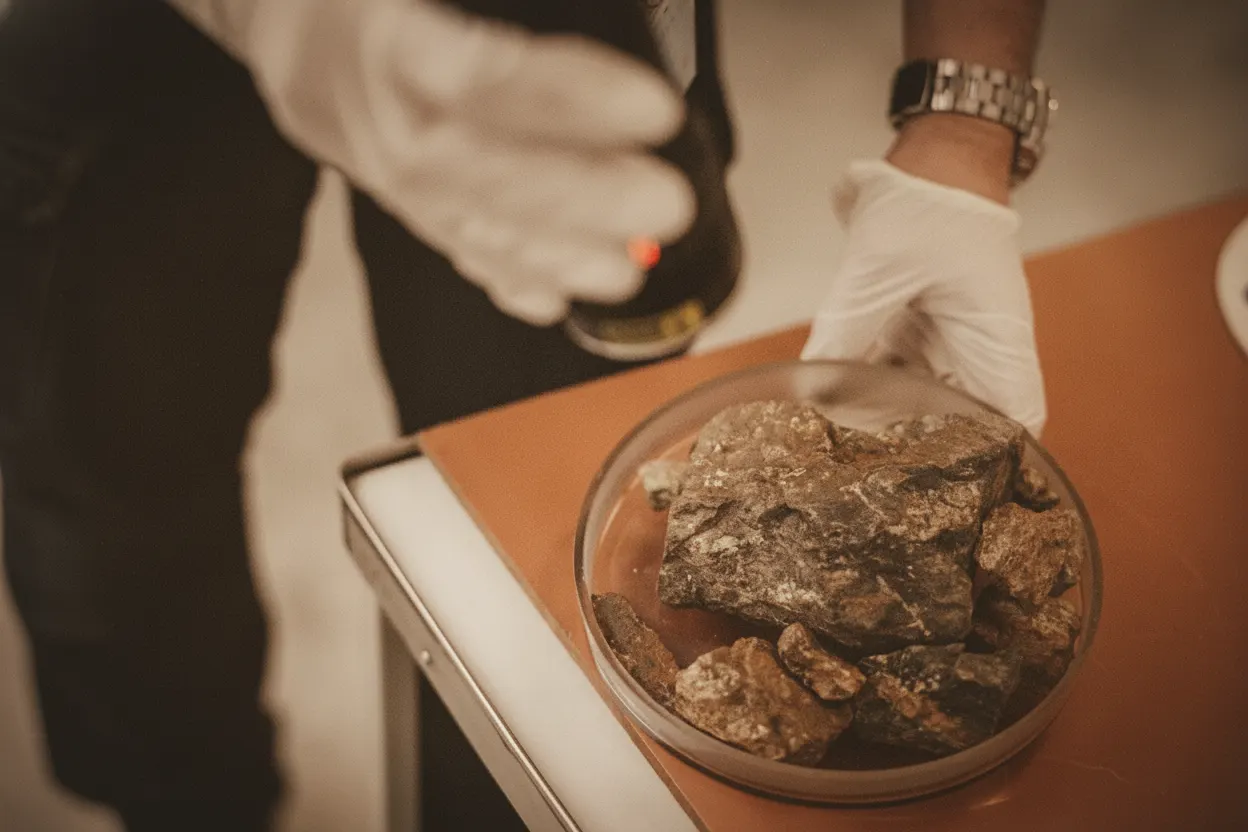
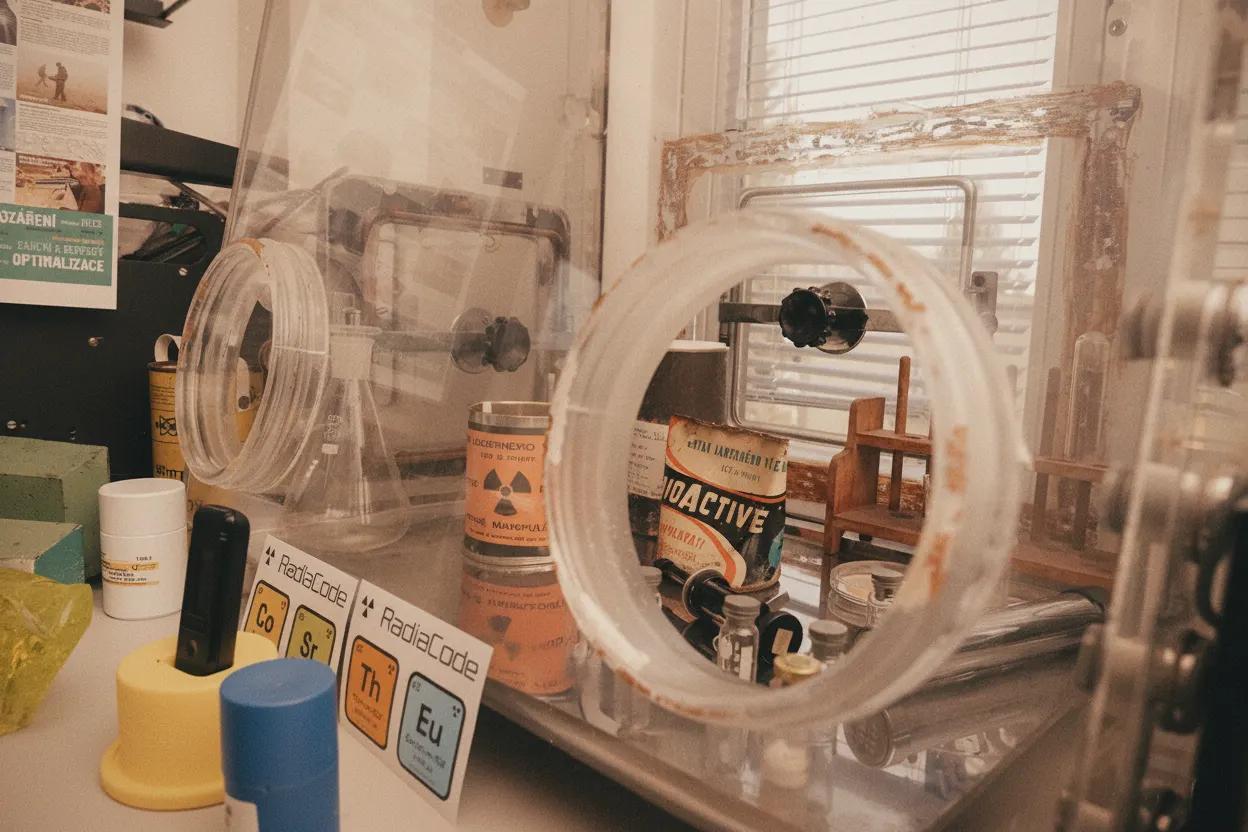
Every year ÚJV Řež processes over 90% of the so-called institutional radioactive waste in the Czech Republic. This is mainly waste generated during the routine operation of hospitals, research institutes, universities and industrial companies, such as used protective gloves, laboratory equipment, filters, syringes or components that have come into contact with radioactive substances. It is not spent nuclear fuel from power plants. In the museum you will learn about the technologies and processes this waste goes through before disposal or safe storage in the near-surface repository run by the Czech Radioactive Waste Repository Authority.
Instruments for measuring ionising radiation
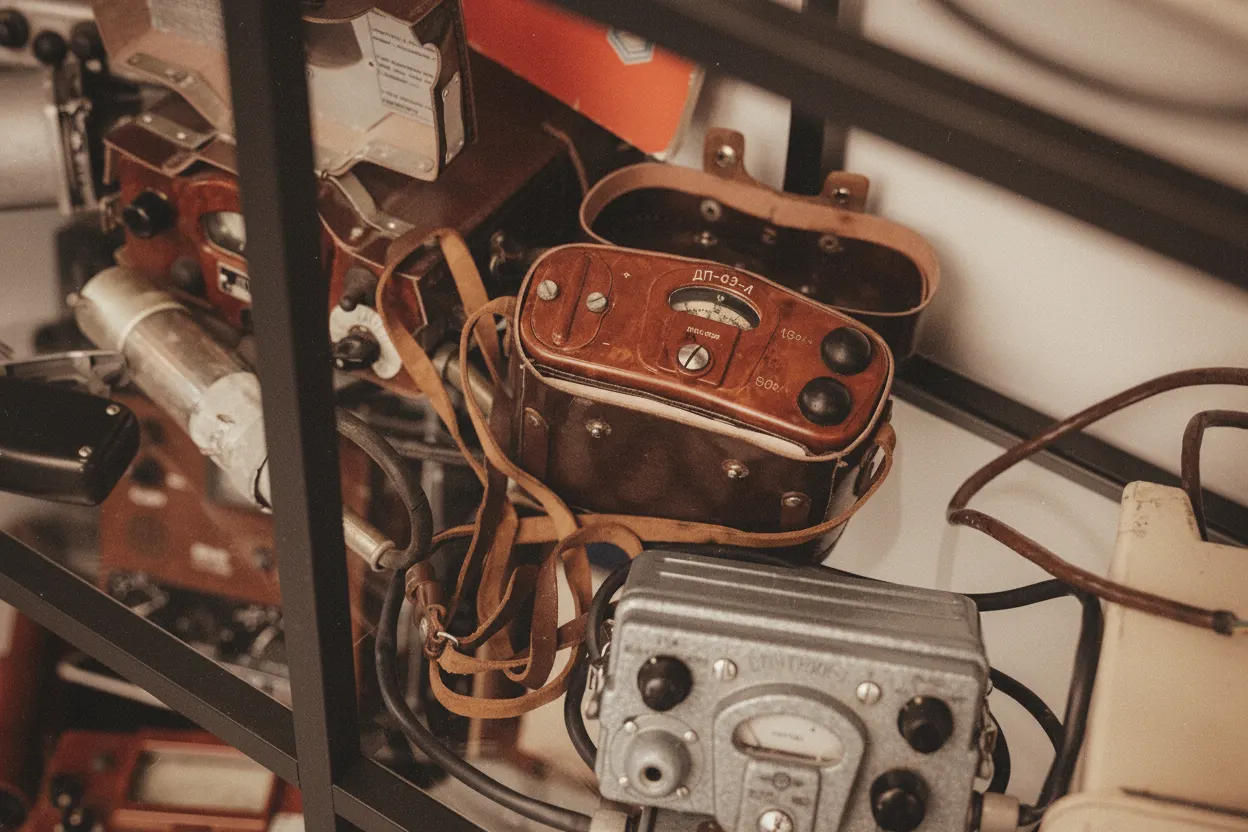
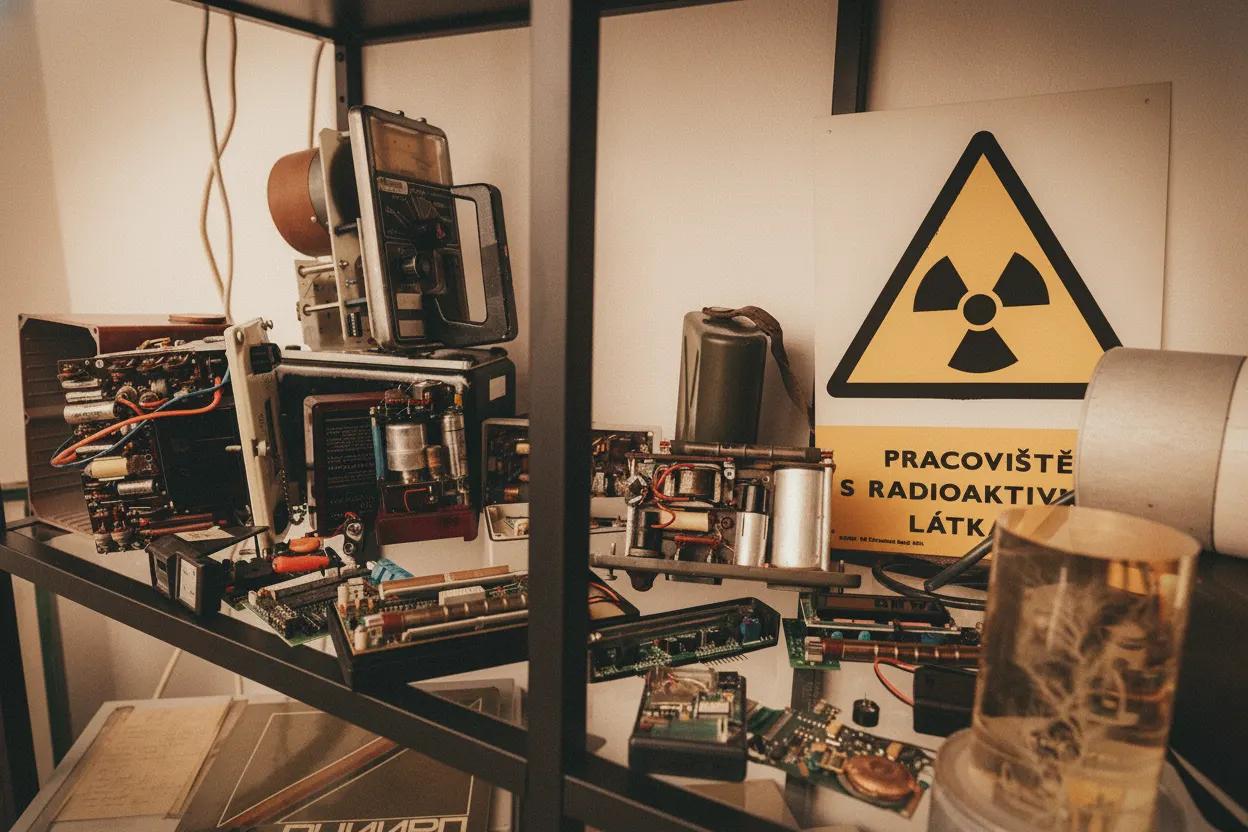
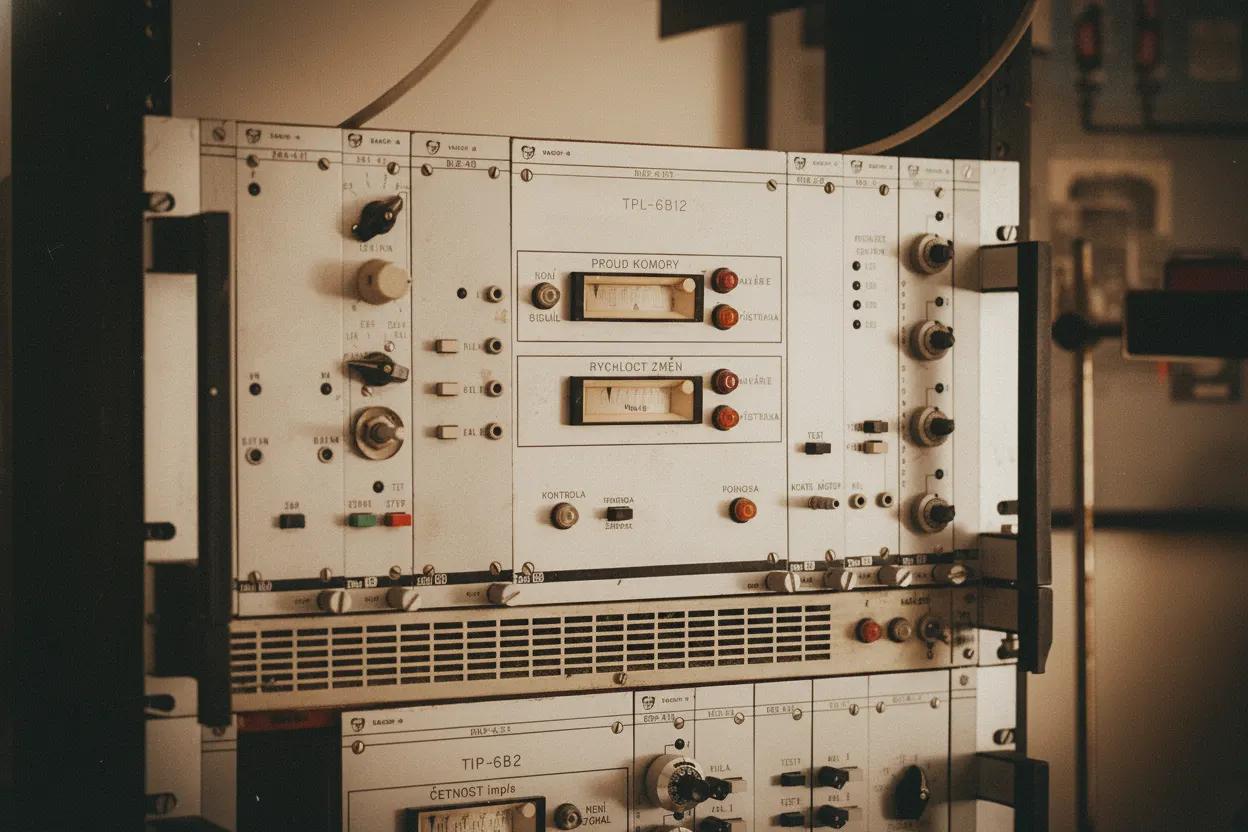
You cannot see, hear or feel ionising radiation; only specialist measuring instruments can reliably detect its presence. That is exactly why dosimetry and detection technology are so important in nuclear power, medicine, research, industry and radiation protection for the public. The museum collection traces the development of these instruments across several decades: from equipment used in laboratories and industrial operations, through military and civil measuring technology, to personal dosimeters that were used, for example, in the period after the Chernobyl nuclear power plant disaster. The exhibition also shows that radioactivity is not only a matter for laboratories or power plants. It draws attention to more unusual objects too, such as uranium-glazed tableware that still registers on a meter today.
Safety
Your safety is our priority
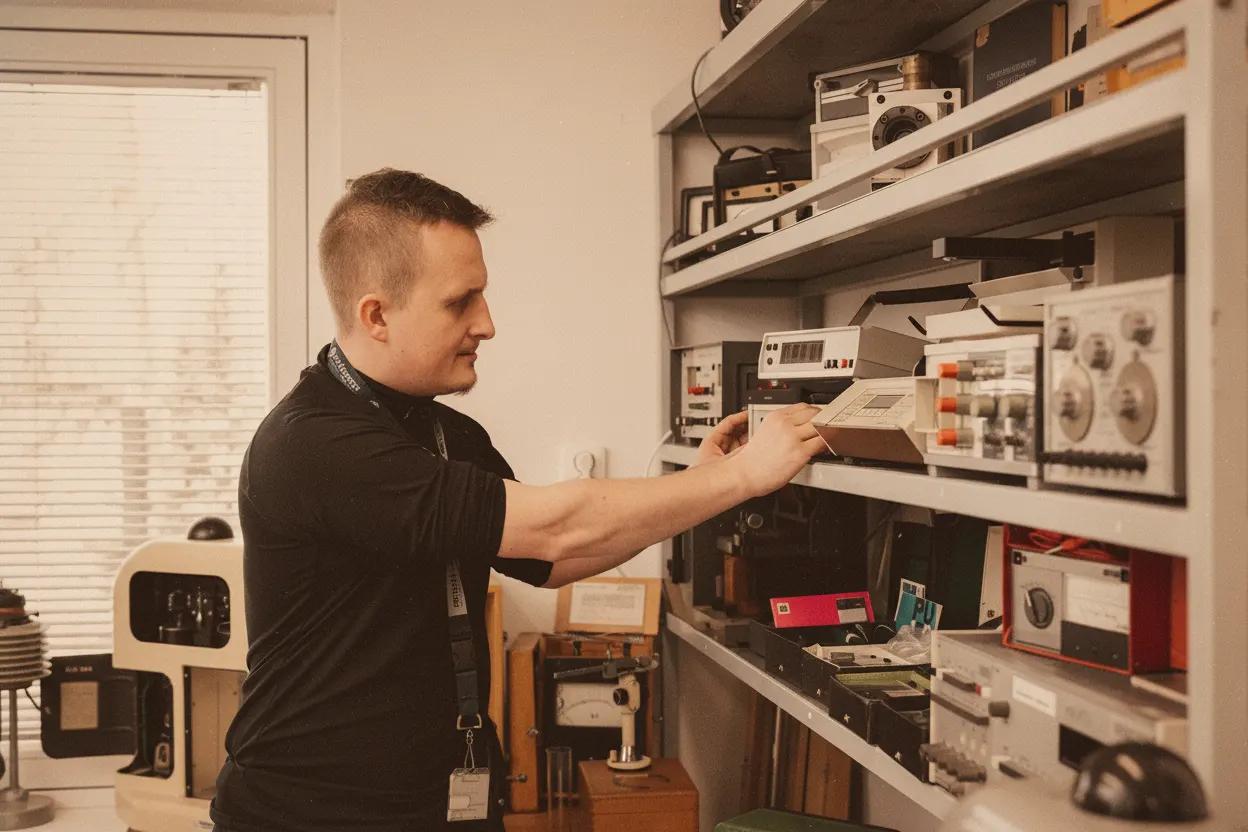
The guided tour is completely safe. You are entering a guarded site, and a guide leads you the whole way.
- You always move through the site with a guide, along a marked route.
- The exhibits are not harmful to your health. The tour takes place in ordinary rooms.
- You are welcome to bring children aged 7 and older.
Gallery
What awaits you
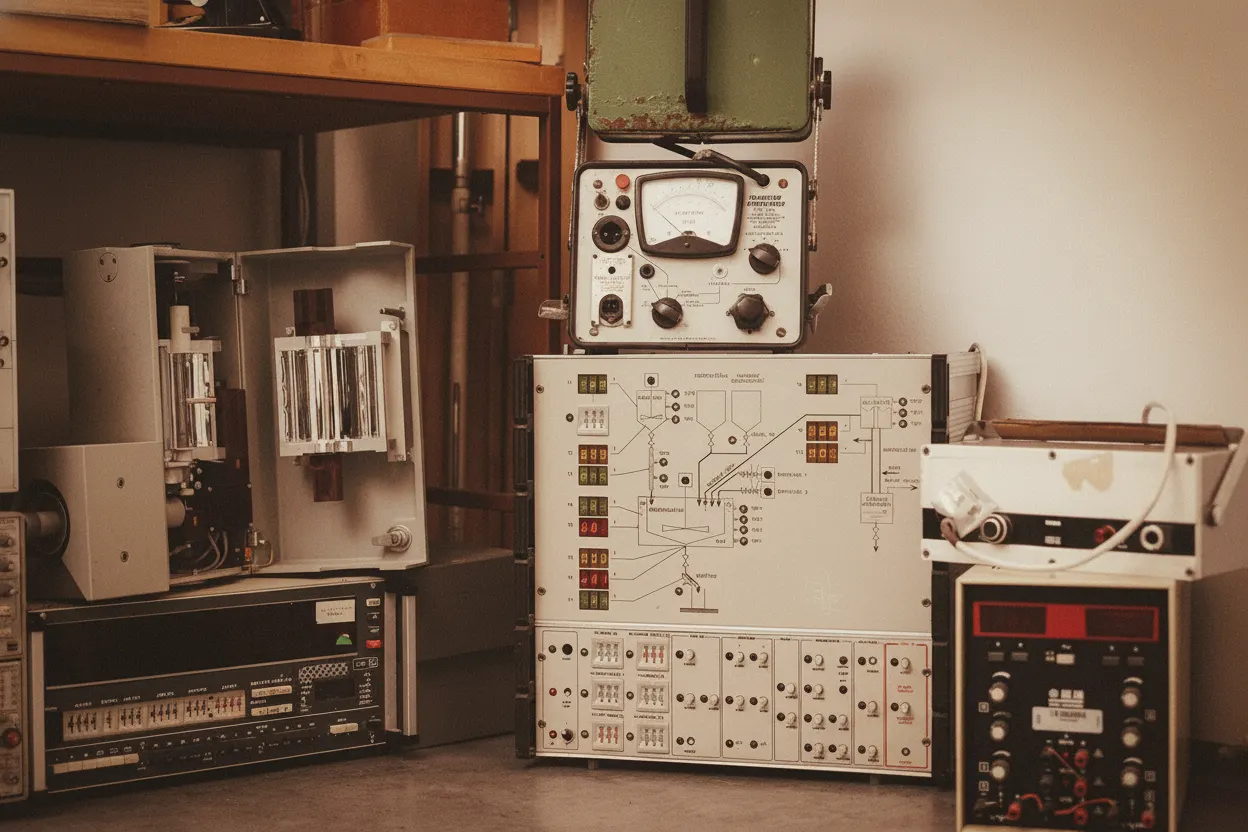
We have hundreds of exhibits. This is a small taste of what you will see up close during the tour.
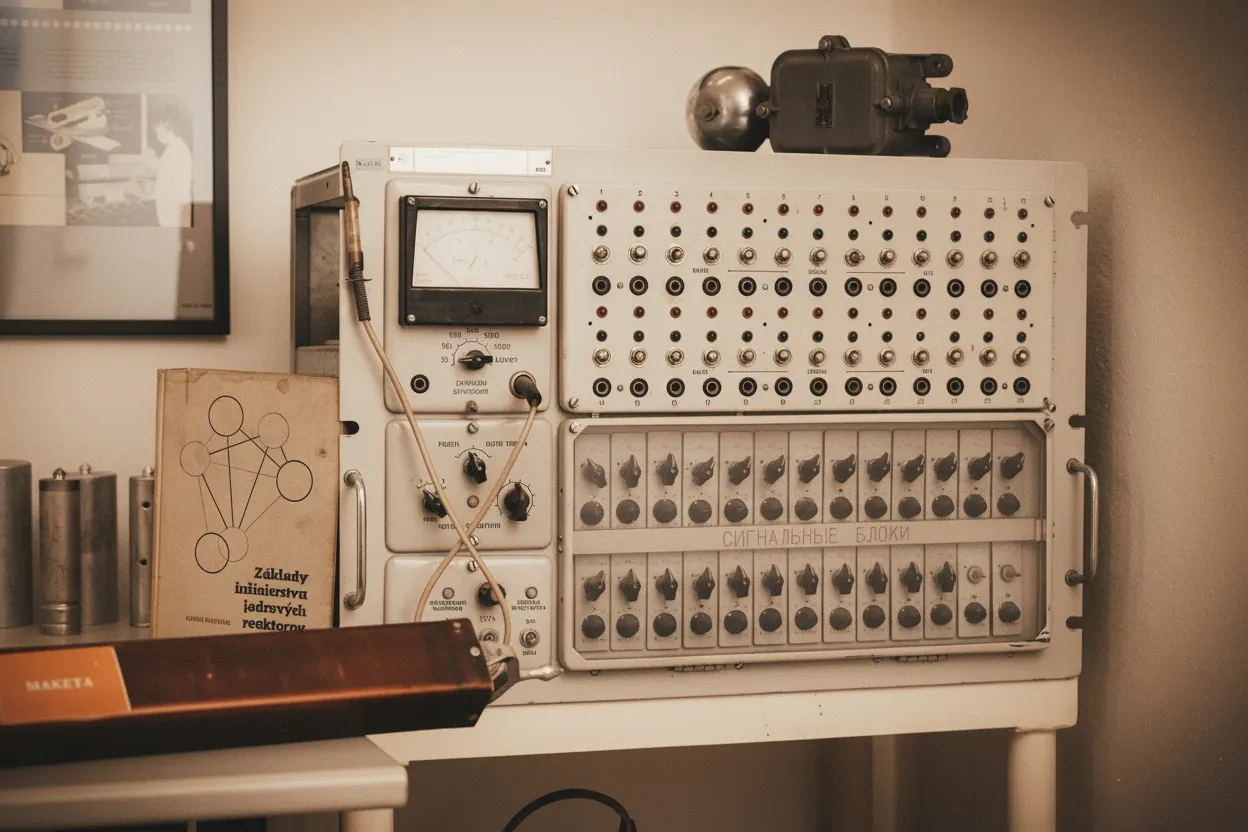
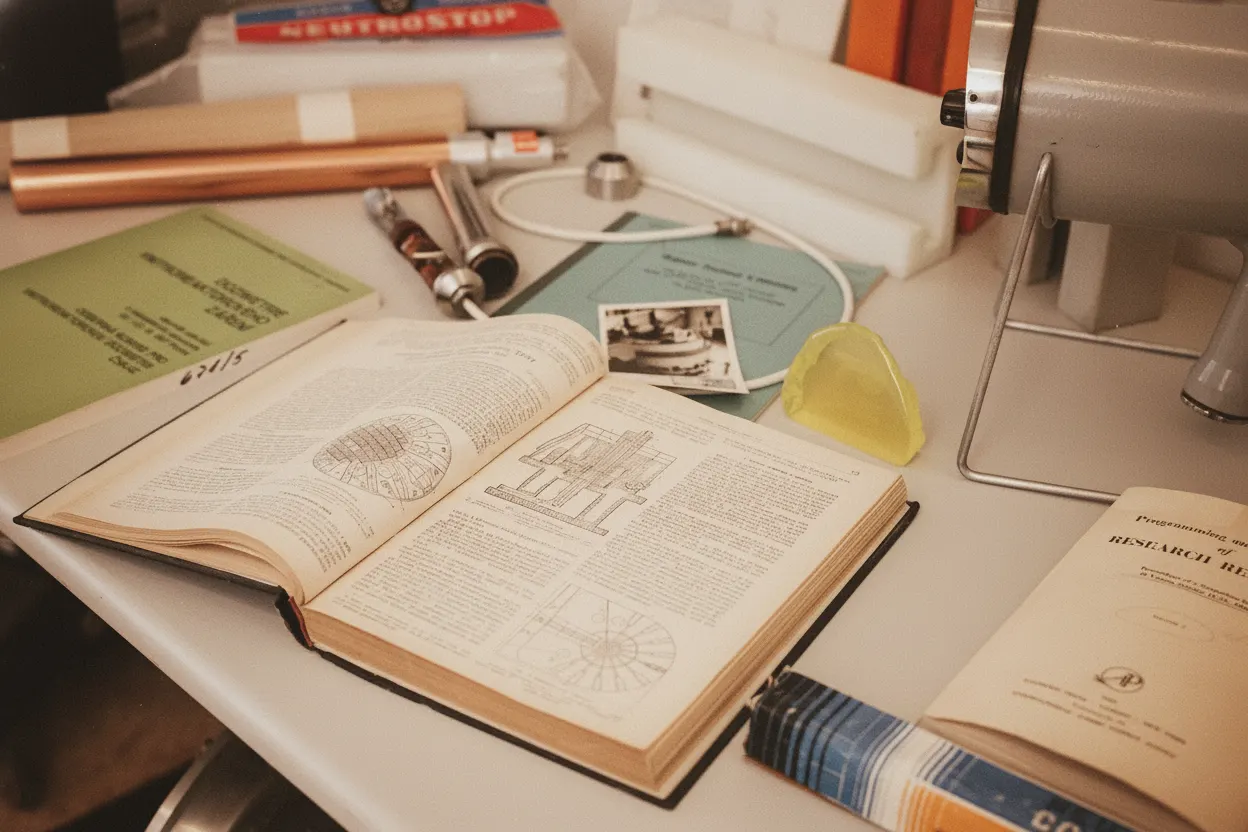
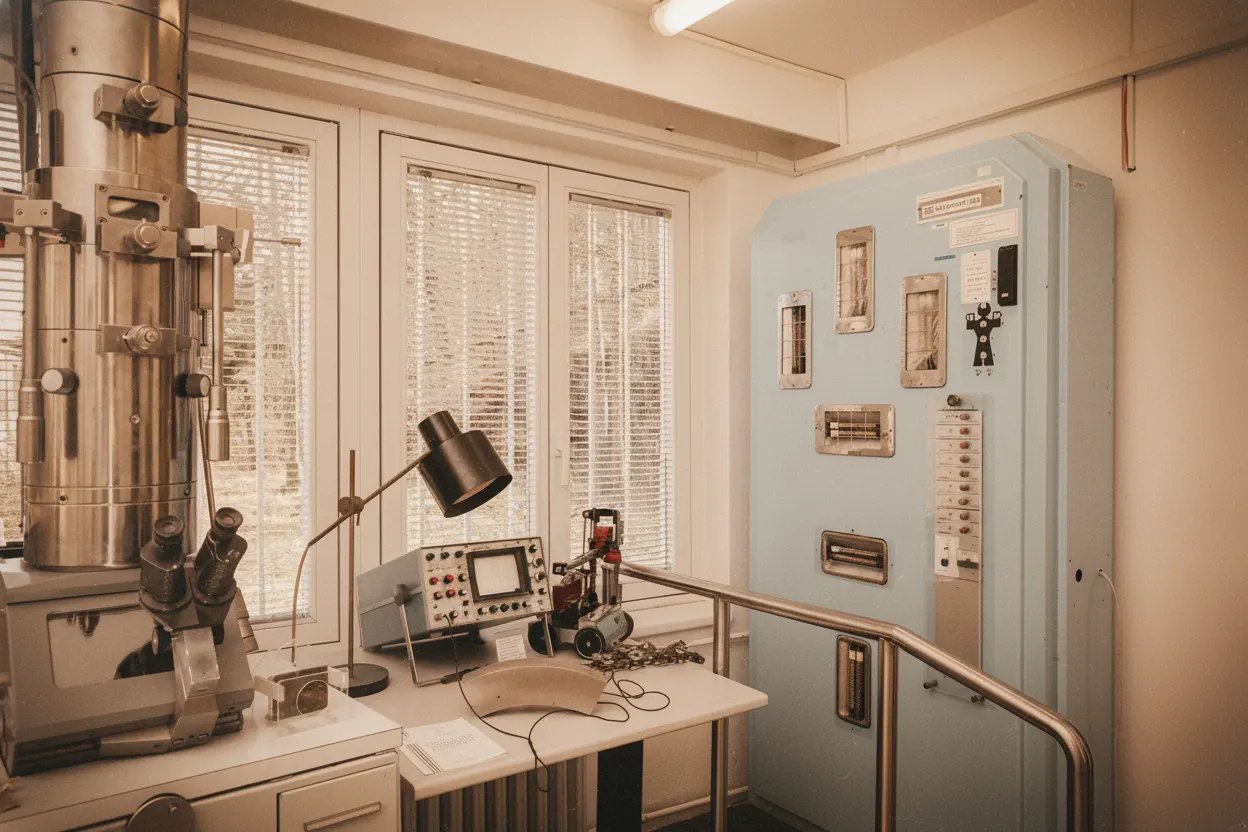
Dosimeters Measuring instruments Control panels Electron microscope Laboratory glassware Instrument collection Laboratory From the collection From the museum collection
You ask, we answer
Frequently asked questions
Before you set off to visit us, read the answers to the questions our visitors ask most often.




Contact
Where to find us
Address, contact details and directions to help you plan your visit.